


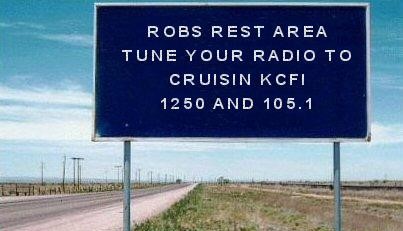

DIRTIEST SPOTS IN A PUBLIC RESTROOM
1. The floor. In fact, when you flush the toilet it can send tiny drops of fecal matter 20 feet in the air.
2. The middle stall. Most people bypass the first stall and head for the middle one.
3. The toilet (of course). You’d think it would be dirtiest but it’s not. However, experts say you shouldn’t be sitting when you flush.
4. Sanitary napkin disposal. If you have to use it you have one more important reason to wash your hands afterwards.
5. The sink. Remember that unwashed hands touch the taps before they’re turned on. Some restrooms have automatic sinks with sensors but if you visit a restroom that doesn’t you might consider turning the water off with a paper towel.
6. Paper towel dispenser.
7. Door handle. Just over a quarter of men and women don’t wash their hands when they’re done, which is why the door handle can be gross. Consider using a paper towel to open the door.
HOW LONG IT TAKES TO RECOVER TO NORMAL AFTER VACATION _ A study finds it takes at least three days to get back to normal after a vacation. Research revealed those who take a week off take around 72 hours to get back into the swings of things once again. That time increases to four days for a two-week break. The study also found it takes two nights for our sleeping pattern to get back to normal while battling jet lag and getting over late nights and sleeping in.
Not for nothing, but I thought I would pass on a few tidbits I learned recently about WEDDINGS:
• Ancient Egyptians invented ring-wearing (initially from reeds and leather) as symbols of eternity, later transitioning to precious metals — both for permanence and indicating status.
• The reason we wear wedding rings on the left ring finger is because of an old belief from ancient Greece and Rome. They thought there was a special vein, called the “vena amoris,” that went directly from that finger to the heart. This idea was really romantic and popular during the Middle Ages and the Renaissance period. This idea about the vein is not actually true. It’s just a romantic myth, and it doesn’t match up with how our bodies really work.
• Why a “best man”? In the past, among Germanic tribes like the Goths, there was a tradition where the best man (the groom’s closest friend) helped the groom in a few important ways during the wedding ceremony: the best man made sure the bride didn’t get taken back by her family. Sometimes, the family might have tried to forcefully take the bride back, and the best man was there to prevent that from happening. The best man also protected the groom during the wedding ceremony. This was to make sure the groom was safe and could focus on getting married without having to worry about any potential threats.
• In medieval times, churches announced upcoming marriages out loud so people could say if there was a good reason the couple shouldn’t marry, like if they were secretly related. That’s where the phrase “speak now or forever hold your peace” comes from.
• The bride’s garter is tossed as part of a wedding tradition where the groom removes the garter from the bride’s leg and throws it to a crowd of unmarried men; the man who catches it is believed to be the next to marry, symbolizing good luck and heralding his future nuptials. This custom originated to prevent wedding guests from ransacking the bride’s clothing for lucky tokens and has evolved into a playful wedding ritual marking the bride’s transition from maidenhood to married life.

