


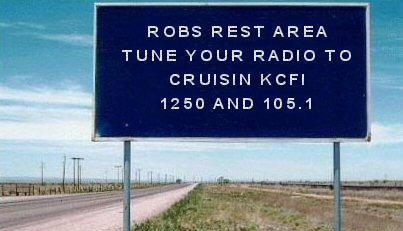

GOAL: MEET 10,000 PEOPLE, ONE AT A TIME, FOR AN HOUR AT A TIME _ Every day, Rob Lawless introduces himself to a stranger. Some days, he sits down with two new people. Some days he meets with four. The 33-year-old Lawless, a self-described extrovert, is on a mission to make friends — lots of them. In November 2015, Lawless launched Robs10kFriends, an initiative to meet 10,000 different people for an hour each. So far, he’s connected with nearly 6446 strangers, which he tracks on his instagram. A Penn State grad, Lawless landed his first job at Deloitte Consulting, which he then left to take a sales position at a tech company. It was there, after countless cold calls and lots of rejections, that Lawless formed the idea for his project. He wanted to simply meet people and hang out one-on-one, disconnected from technology and with no set agenda in mind. In the summer of 2016, he took that idea full-time after the start-up employing him was purchased. Rob is a management consultant and keynote speaker and if you want to meet him he’s located in Philadelphia.
BIG INDUSTRY SECRETS THAT AREN’T SUPPOSED TO BE KNOWN BY THE PUBLIC:
• A bottle of Windex is basically 95% water 4% ammonia, and 1% blue dye / fragrance. The most expensive part of the product is the bottle.
• Online customer service chat can see what you’re typing in the box before you hit send.
• A preschool teacher said: Your children tell us nearly everything about what goes on in your home.
• A lot of people probably know that when a TV show goes into syndication some scenes are cut to make room for more commercials. What people don’t know is that the show can be slightly sped up as well, to squeeze in just a little more advertising.
• Most “factory outlet” products were made specifically for outlet stores and were never sold in the brand’s regular shops.
VISIT FRIENDS, TAKE A WALK OR, BETTER YET, READ TO LOWER DEMENTIA RISK _ To lower the risk of dementia, joining a social club is good. Walking or bicycling is better. And reading or playing games or musical instruments is best. These are among the findings of a meta-analysis, which reviewed previous studies on physical, cognitive and social leisure activities and dementia (published by the American Academy of Neurology). Previous research has shown that leisure activities are linked to health benefits “such as a lower cancer risk, a reduction of atrial fibrillation, and a person’s perception of their own well-being.” The new analysis “found that leisure activities like making crafts, playing sports or volunteering were linked to a reduced risk of dementia.”

